 Click on image to enlarge. That's how you can see the giraffes!
I wanted to start this story with an image from the next afternoon. There are giraffes, zebras, deer, antelope, all in this image. The school bus that has a camoflauge paint job is one that takes people on the Fossil Rim Wildlife Center's Scenic Wildlife Drive.
Fossil Rim has 1700 acres containing 1100 animals who roam freely in areas that approximate near natural conditions. (These words are almost verbatim from the Animal Identification Guide we were given before the drive.) The animals are managed this way so that they can behave, socialize, and reproduce, much as they would if in the wild. Some are endangered, on the brink of extinction, or part of dwindling populations.
Ken and I had such a magical time here. An 18-hour vacation! But it was so packed full of new sights, sounds, smells, etc that it felt like a longer time. It was rejuvenating. Here are some of the shots I took with my small camera.

Waterbuck.
Their range is the Savannah regions of Africa south of the Sahara. Only the males have horns and an oily, musky secretion makes the Waterbuck unpalatable to predators. Their bulls-eye marking on the rump may help the young follow through high grasses.

Fossil Rim Wildlife Center has a main Lodge as well as their Foothills Safari Camp. Shown here is the Observation and Deck of the Pavillion in the Safari Camp. This is where we were to have breakfast the next morning.
 The Addax.
 Range: Mauritania to Egypt, western Sahara and Sudan. Critically endangered. The most desert adapted of all antelopes, an addax can live most of its life without drinking, deriving sufficient moisture from the plants it eats. Their coloring is stark white to tan with a distinctive brown "toupee." (I called that fringe of dark hair "bangs" when describing them to Ken.) Our tent was called "Addax."
 Greater Sandhill Crane.
 Range: Northeastern Siberia, Alaska, Canada and northern United States. Population: Stable. Most easily recognized by their call, greater sandhill cranes can be heard up to half a mile away. These cranes have the longest migratory route of any crane -- about 14,000 miles round trip. This image is a crop, but you can see a youngster if you look closely; lighter in color and to the left of the two large gray Cranes.
 The Sable Antelope.
 Range: Southeastern Kenya to Angola and eastern South Africa. Status: Least concern. The herd rests in an outward-facing circle to watch for danger, while young lie protected in the center. Females are reddish brown, males are black, both sexes have white undercoats. I thought this female struck a pose that looked majestic. She was grazing in a pasture between the Lodge and the Foothills Safari Camp.
 European Red Deer.
Status: Least concern. Red deer closely resemble the American Elk. Males emit a powerful bubling call during mating season in the Fall. Red deer shed their antlers each year in February and regrow them quickly. One of these deer came up to the car for a handout but I didn't have any food yet.

Wildflowers in the meadows. These were in the meadow right outside our tent. The morning light is doing a nice "fringing" light on the thistle bud.
 Thistle bud.
 Wildflowers with the watering hole in the background.
 This is our "tent!" No locks on the doors but who needs them!
 Addax Tent. With Ken relaxing in front. Now you can see why they call the cabin a "tent."
 View out the front door of Addax Tent.

Glassed-in shower in the bathroom.

Our breakfast! This was included in the price of our room and
below is the view we saw while eating breakfast.
 Beyond the pond in the foreground is the watering hole where we saw the Greater Sandhill Crane family the night before.
This was a magical place, serene, lovely, spiritual. I would think if American Indians saw this place, hundreds of years ago, they would call it sacred. I felt a peace descend over me. I hope all of you reading this can make this journey less than 80 miles from Dallas/Fort Worth. I felt like I was on Safari, in Africa! But with air conditioning! Check them out.
http://www.fossilrim.org/
If you like animals, this is a place to experience.
http://www.fossilrim.org/
If you like animals, this is a place to experience.
The next post will be the drive through the park, called Fossil Rim Wildlife Center's Scenic Wildlife Drive.


 Lewis has his own page on facebook! Fleur came to me for a photo shoot in my studio for Lewis, then mentioned that Squelch might be fun to have along, too. Fleur also brought her two Trailer Rescues, two four year old cats rescued from under a trailer when kittens. These cats, Michael and Jeremy, weren't so thrilled about the photo shoot, but Lewis was a "Player!" He couldn't take a bad photograph!
 Fleur said that Squelch was the instigator of a lot of mischief making in the house. I can just see that in my mind's eye!
 You can see that they are buddies.


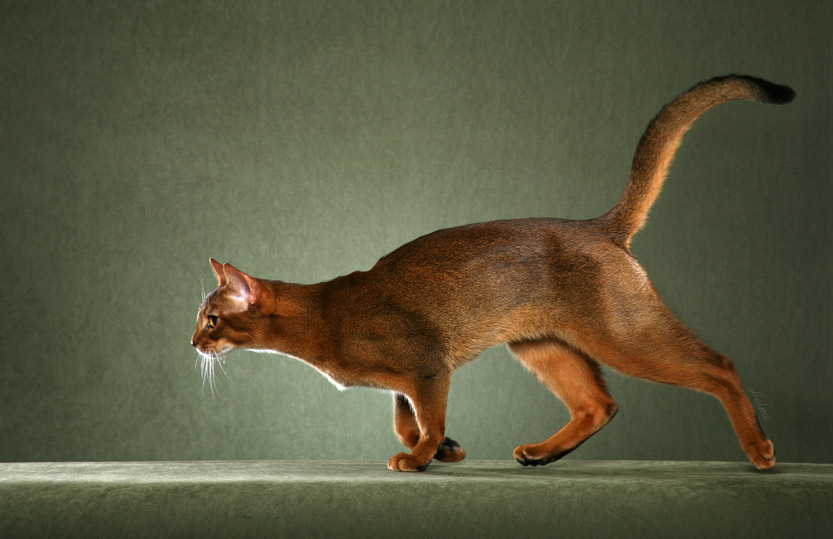


 Zak on the floor: "I think I hear someone calling my name ... "


 Posts
Posts


